Free from fear or favour
Tracking and cookies. WHY?

Reclaiming a Social Imagination

Matt Gallagher

As a privileged child, I just assumed things would sort themselves out. As a university student, I thought I was in the pipeline to a principled, stable career. As a young adult in the pandemic-addled restaurant industry with a hard-won but useless social sciences degree, that pipeline seemed to be out of operation.

I did eventually forge an unconventional path – turning my own cynical probing into a vocation – but many weren’t so fortunate.

One of the first things I wrote for Byline Times was about the 2006 film Children of Men. Alfonso Cuarón’s classic spoke to this feeling of decay; society’s building blocks growing withered and hollow.
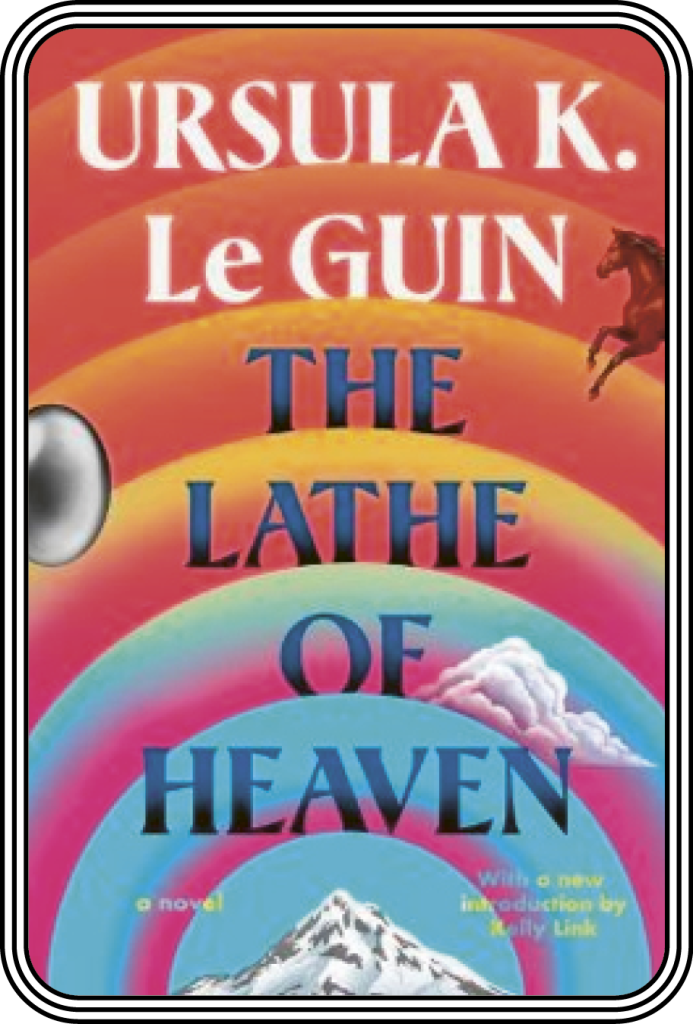
It portrayed a militarised, infertile Britain in 2027 “soldiering on” despite being out of ideas and out of hope. The government (possibly a democratically elected one) processed its anxiety in two main ways: resorting to extreme exclusion and violence against ‘illegal’ migrants; and hoarding nostalgic artefacts (such as Pink Floyd’s Animals cover) in an ‘Arc of Arts’. Their future got “cancelled”, as the Italian philosopher Franco “Bifo” Berardi puts it, so they turned to the past.

For Better Or For Worse – The Fallacy of the Mean

It used to drive me mad. It could have been my Christmas post office job, or summer shifts at a record warehouse or an electronics firm, but I remember on more than one occasion a manager complaining about the quality of job applicants.
Peter Jukes

For Better Or For Worse – Dehumanising Invisibility Versus Insecure Visibility

The year before carried some historic moments with the Olympic Games coming to London and the Queen’s Diamond Jubilee – both imbued with a sense of national pride.
Issie Yewman