Free from fear or favour
 Tracking and cookies. WHY?
 Tracking and cookies.
Author: Peter Oborne
-

Peter Oborne ‘It Is Unforgivable That the Wretched Starmer Allowed British Democracy to Be Debauched in This Way’
One of the many pleasures of Philip Hensher’s new A History of the Novel in Britain is his advocacy for Nevil Shute, a writer who enjoyed success in the middle decades of the 20th Century but has been neglected ever since.
-

Peter Oborne’s Diary – Taking a Gamble
In the days when I wrote racing columns for the Sporting Life Weekender and the Sunday Express, I kept by my desk a well-thumbed copy of Lord Rothschild’s royal commission report on gambling.
-
Peter Oborne’s Diary – Pol Roger and Islamophobia
The Spectator boasts that its summer party is the “most sought-after social ticket of the Westminster summer season, bringing together the most senior politicians, journalists, and political aides, alongside the crème de la crème of the arts and media world”.
-

‘Anonymous Quotes’ and Political Journalists: How Spin Doctors Deceive the Public
Peter Oborne considers what a startling admission by a Times journalist reveals about how political reporting and power really work in Westminster
-

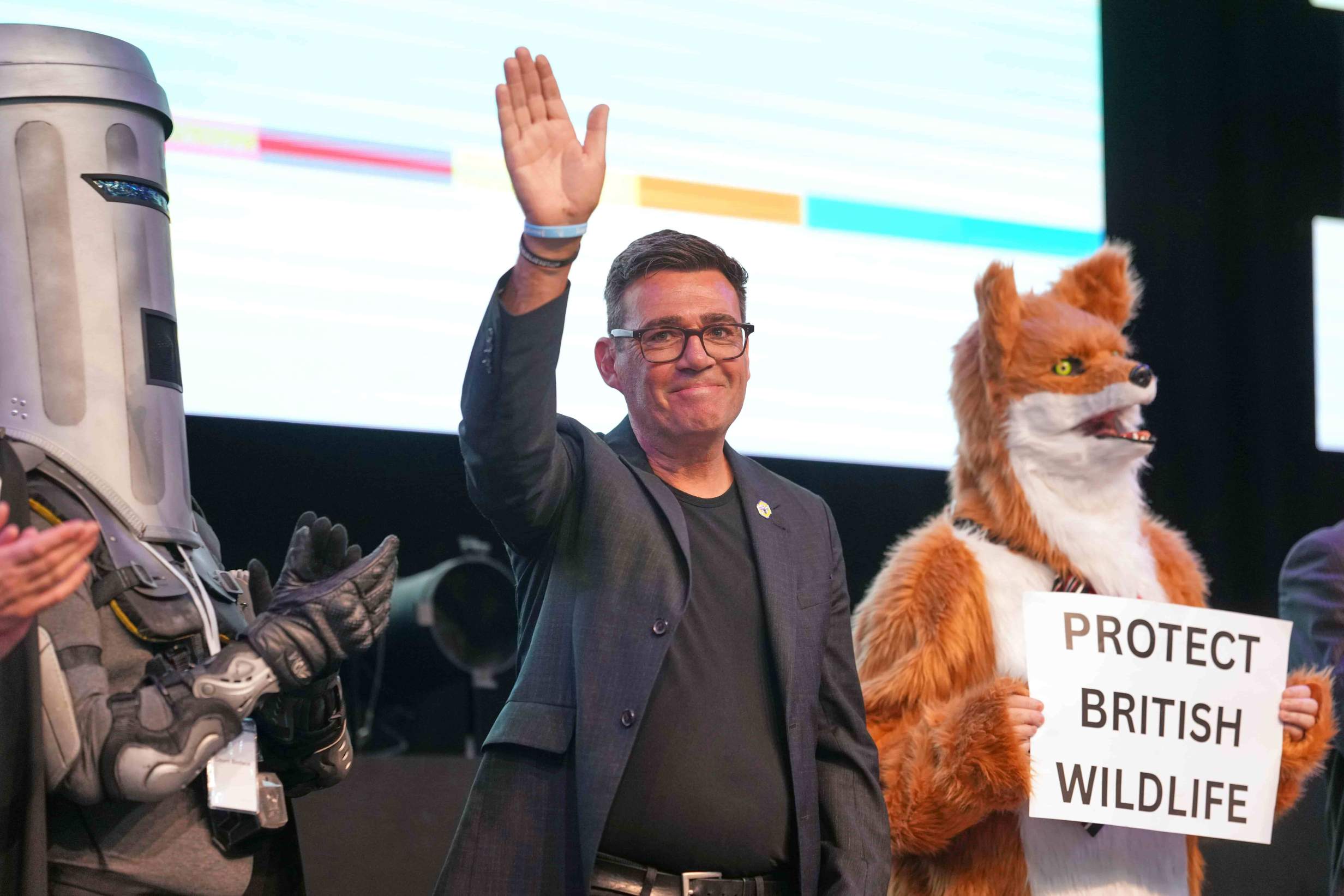
Burnham is a Giant Step Backwards to a Better Sort of British Politics
Makerfield’s new MP will face deep challenges if he makes it to Downing Street – but he can succeed where others haven’t been able to, writes Peter Oborne
-
Peter Oborne’s Diary – Dignified Silence
Years ago, I had the privilege of interviewing Peter Carington over lunch at his home in Buckinghamshire. He was 93 years old and the last surviving member of Winston Churchill’s post-war Government.
-
Peter Oborne’s Diary – Labour Lessons
Obituaries of the economic historian Robert Skidelsky, who died in April, have praised his monumental three-volume life of John Maynard Keynes. But none paid much attention to a rather more original and important book that Skidelsky wrote as a struggling graduate at Nuffield College, Oxford.
-
Peter Oborne’s Diary – Emperor Trump
Suetonius, who served as personal secretary to Emperor Hadrian, enjoyed privileged access to the imperial archive when he researched The Lives of the Caesars.
-
Peter Oborne’s Diary – Nothing to Celebrate
Three months remain before the United States celebrates a historic milestone: the 250th anniversary of the Declaration of Independence in 1776.
-
Peter Oborne’s Diary – The Fatal Choice
It is a simple matter to identify the moment when it went wrong for Keir Starmer.