Tracking and cookies.
The AI Revolution is Arriving Faster than Anyone Anticipated
Simon Nixon considers whether chaos and conflict could burst the artificial intelligence ‘bubble’ or lead to it growing ever bigger
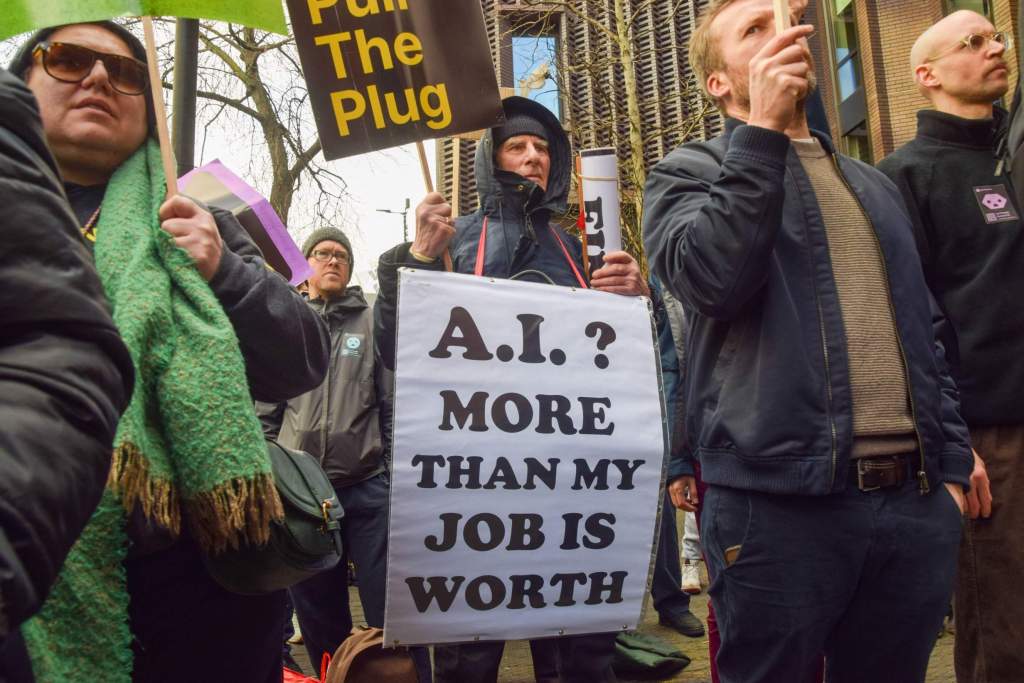
Photo: Vuk Valcic/Alamy
Much of the debate about artificial intelligence in financial markets, until recently, centred on whether the new technology could ever live up to the expectations built into soaring stock prices. Few are doubting AI’s potential now.
There is no question that it represents the most revolutionary technological advance of our lifetimes – even if the disruption has yet to show up in macroeconomic data in any meaningful way, whether as a sharp acceleration in productivity, rising unemployment, or a wave of business failures.
But, anecdotally, everyone now has their own stories of AI performing tasks that once required human beings – and doing so at a speed and with an accuracy that beggars belief.