Tracking and cookies.
‘There’s a Value in What We Produce Because We Feel – and an AI Chatbot Can’t Feel’
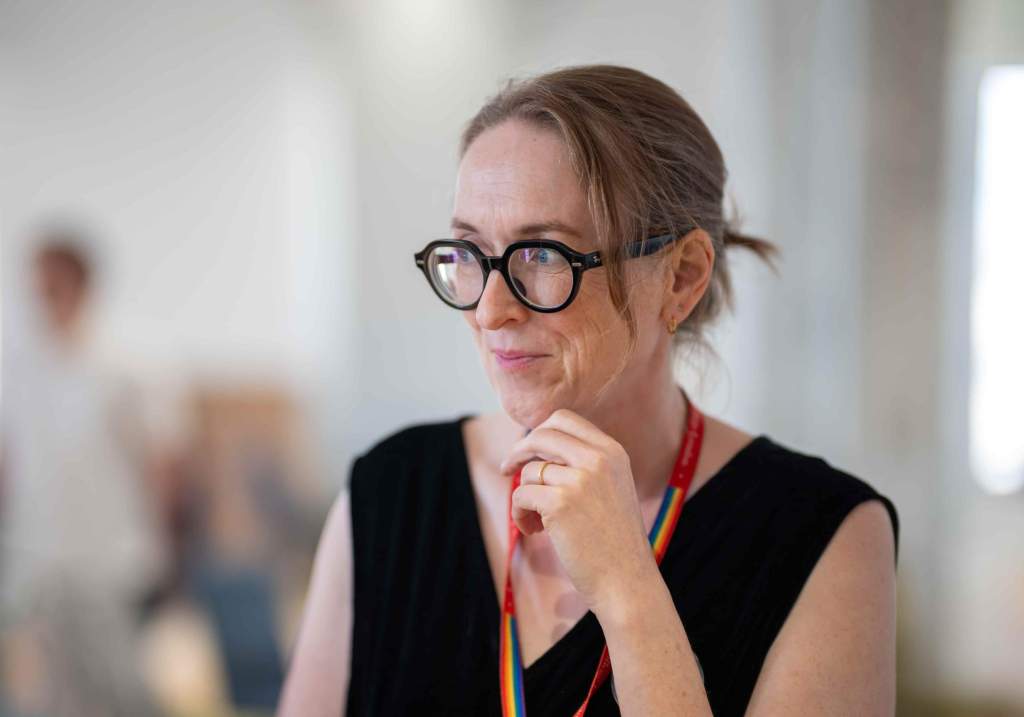
Hardeep Matharu meets Kate Devlin, Professor of AI & Society at King’s College London, to explore how relationships with AI companions aren’t particularly new, why she believes the under-16s social media ban is flawed, and why nothing can match human creativity
HM: Your 2018 book was Turned On: Science, Sex and Robots. What is it about the subject of tech and intimacy that fascinates you, and what are some of the core strands that studying it reveals about human nature?
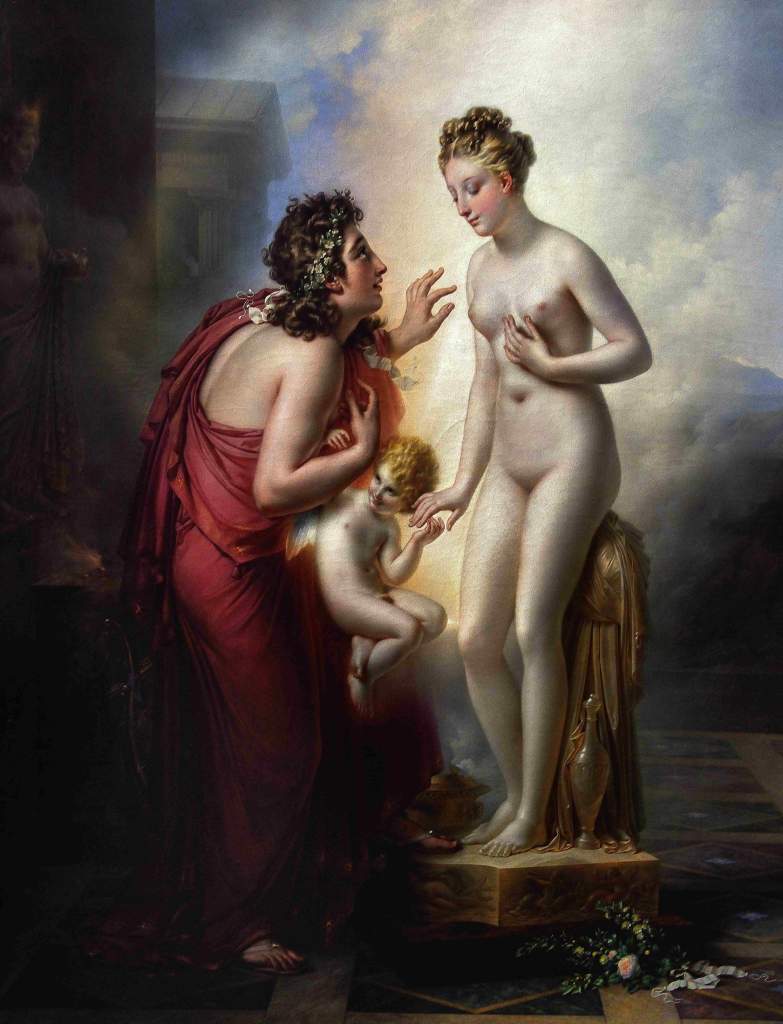
Photo: Peter Horree
KD: I’m really interested in people, and how people live with each other and technology. We are all here because someone has had sex. It’s inescapable, and whether we want to or not, it affects our lives. So I was really curious about what happens when you put technology into that mix. And there’s a very, very long cultural history of it – right back to Ancient Greece, where there are stories about creating artificial companions to replace a lost loved one or building the perfect partner. We’ve got hundreds and hundreds of years of being primed to want that [connection], and we have it reinforced by sci-fi films all the time.
None of the technology [that has been developed] has actually been in a place where it can deliver some of that. This is the first time in our existence that we’ve been able to talk to something [AI chatbots] that talks back to us as if it’s like us, even though it is fundamentally not [like us]: it’s not conscious in any way, it’s not sentient in any way, it mimics the way that we work. And that is likely to have profound implications on our interactions with technology.
There has been extensive media coverage in the past few years of the relationships – romantic and otherwise – that some people develop with AI companions, including problematic cases which have cost individuals their lives. As you observe, it’s interesting to remind ourselves that this tendency isn’t new even if this technology is …
There’s something in all of us that looks for connection with others and that’s because we are, by biological design, social creatures – we work well in social groups, we have to relate socially to each other. There’s a thought in cognitive science and in psychology that suggests we exist through our interactions with others; that we enact how we behave and that gives us some of our cognition and perception. So this desire to seek out something for a relationship probably is innate. We’re all on this planet and the biological urge is to reproduce your DNA, and some people choose not to, and some people aren’t able to, however, we are driven by that impetus whether we know it or like it or not.