Tracking and cookies.
The Human Interview
‘You Want to Love His Music. Without Thinking That This Guy Raped Kids Year After Year’
After the phenomenal success of the Michael Jackson biopic this year, Hardeep Matharu sat down with Dan Reed, the director of ‘Leaving Neverland’ – which documented sexual abuse allegations against the late singer – to explore how he feels seeing the icon’s continued success, the cult of the ‘cultural god’, and telling complicated truths
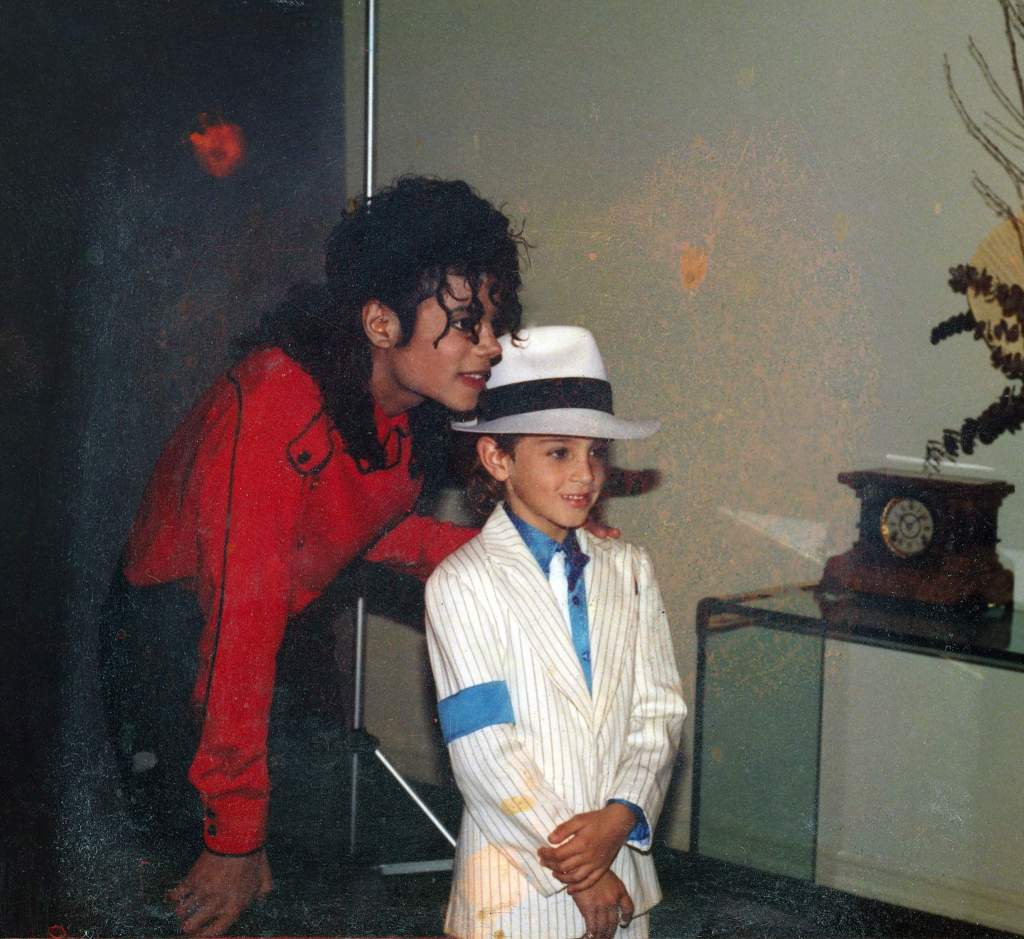
Hardeep Matharu: Your award-winning 2019 documentary Leaving Neverland revealed the testimonies of Wade Robson and James Safechuck, who met Michael Jackson aged seven and 10, recounting how they were sexually abused by him for years as children. It focused in detail on the grooming process they said was involved to the extent that – for many, many years – they did not see what had happened to them as abuse, because they were in love with Jackson and had always wanted to protect him. What was the impact of the documentary?
Dan Reed: I remember sitting down for dinner with James and his wife in Los Angeles in February 2017. It was my first meeting with them and we talked about the possibility of doing a documentary. I didn’t know that much about him and I was still, with my journalist’s sceptical hat on, thinking there may be more or less to this than I think. But one thing we agreed on was that there’s no point making a documentary about this unless it does something bigger than just tell James and Wade’s story – and that bigger thing would be to describe and bring to life the process of grooming that is so often the way children are abused. They are abused by someone who’s trusted. In order to do that, we had to describe the sexual abuse, we had to ‘go there’. [In the documentary] it’s explicit, it’s graphic, and we had to leave people in no doubt about what happened – that it wasn’t a misunderstanding or a careless fumble or a bit of a miscommunication, but that it was full-on sexual abuse and it was sustained and repeated. Wade very much felt the same, that we had to make it about child sexual abuse, and the fact that it was Michael Jackson would draw in a lot more people [to the issue]. But, ultimately, we weren’t there to make a gossipy piece about how Michael Jackson was a wrong’un. We were there to make something that was significant and lasting and accurate about how children can get drawn into the wrong type of relationship when they are very, very young by someone they trust and someone their parents trust. That was the aim, and I think the film achieved that.
The film also did a lot of other things. It made a lot of Jackson fans angry because they can’t possibly believe that this guy who sings so nicely and dances so well could possibly do anything wrong. It’s kind of irrational, but there you go. They have the attachment to a sort of religious cult to this iconic figure, so that’s understandable. And his music is great and it permeates through people’s lives – I don’t personally like it myself, but I acknowledge that it’s fantastic music – and it’s so much a part of the cultural landscape, which is why I’ve never advocated for ‘cancelling’ Jackson.
[Discussion of Jackson’s paedophilia] really exploded when the film came out, beyond anything we thought was possible. People were examining their wilful blindness to all the signs and there was a lot of mea culpa and ‘how could we have missed this? It was hiding in plain sight’. Now, the tide has flowed back and the Jackson machine if you like – the lawyers, the publicists, all the people who benefit from his legacy financially – have made a huge effort to try to discredit the film, and have fought hard and very successfully legally at every step to do what they can to make sure my film isn’t seen. It’s available all over the world except in the United States because the Jackson lawyers found a contract HBO signed in 1992 [made when HBO broadcast Jackson’s Live in Bucharest: The Dangerous Tour] which contained a non-disparagement clause, which means it can’t say anything derogatory, whether it’s true or not, about Michael Jackson. And they managed to leverage this into something that then had to go to arbitration and, in the end, Warner Bros Discovery [which owns] HBO caved in and took the film off its platform after six years, which was galling. But that’s what happens.