Tracking and cookies.
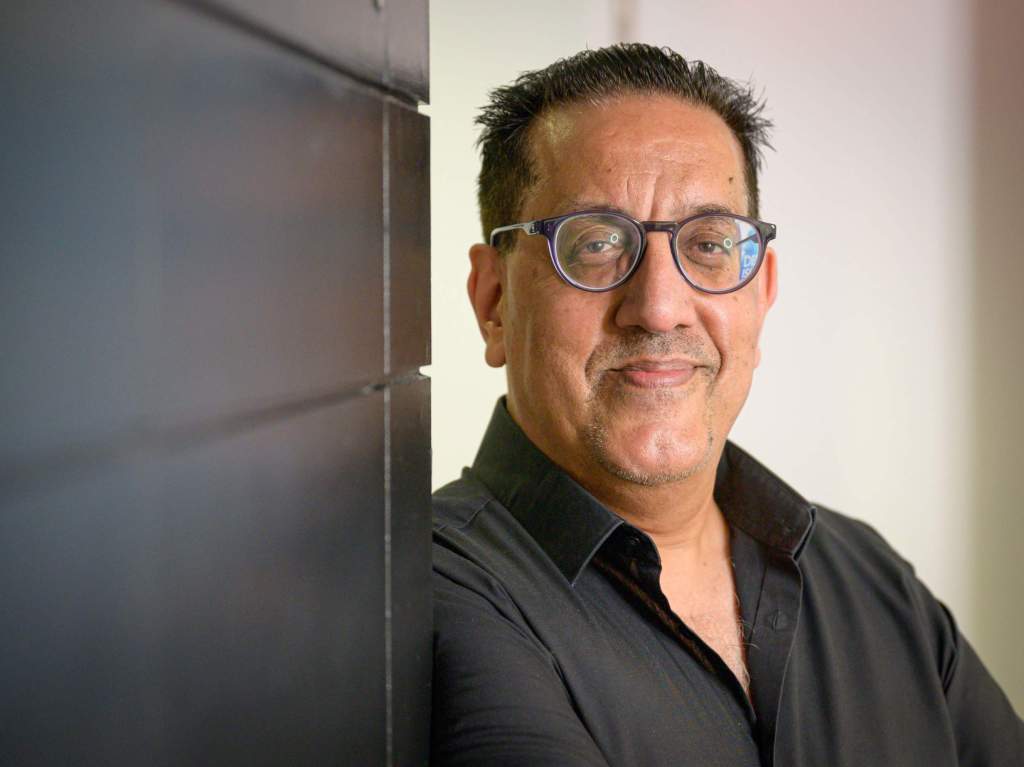
Nazir Afzal:
‘Class Discrimination Isn’t a Complex Mystery – It’s a Structural Issue Quietly Enforced, Politely Denied, Endlessly Deferred’
The Chancellor of Manchester University has co-authored a new report, ‘Class Ceiling’, examining working-class participation in the creative industries across Greater Manchester. He spoke to Hardeep Matharu and Peter Jukes about how opportunities for people from poorer backgrounds has declined since the 1960s, and why his work prosecuting the grooming gangs perpetrators as the former Chief Crown Prosecutor for the North West informed his insights on class
Hardeep Matharu: What struck you the most as you were researching the ‘Class Ceiling’ report?
Nazir Afzal: The creative industries are known as the ‘liberal arts’, they stand up for people’s rights. That’s the way I was brought up to see them, and I suspect that’s the message they’ve been delivering for decades. However, the reality is very different.
Since before the 2010 Equality Act, we’ve been talking about how these industries need to be more diverse, and they’ve all issued statements, they’ve all published strategies, they’ve changed the language they use several times over. But as we’ve discovered, when it comes to outcomes, not only have they not improved, they have got worse.
Working-class people, those from lower socio-economic groups, are significantly less likely to enter creative careers, and if they do enter, they’re less likely to progress, and are therefore far more likely to leave early.
If you have an account or have previously purchased content, log in first:
or if this is your first purchase: